Quick answer: The usual cause is inconsistent stitch direction rather than poor technique. Every top leg must lie the same way across the whole piece. After that it is slack fabric and twisted strands. Fix those three and stitching evens out almost immediately, whatever your experience.
Somebody brings me a piece at the Thursday circle and says it looks messy, and they think it is because they are new. Usually it is not.
It is nearly always one of three things, and all three are habits rather than skills.
One: stitch direction
This is the big one and it accounts for most of it.
Every cross stitch has two legs. The one underneath and the one on top. If your top legs go bottom-left to top-right in some places and bottom-right to top-left in others, the stitches catch the light differently and the whole piece looks patchy.
It genuinely does not matter which direction you choose. It matters completely that you never change it.
Pick one now and stay with it forever. It becomes automatic within a project.
Two: slack fabric
Stitching into loose cloth means the fabric moves as you pull, so every stitch lands with slightly different tension.
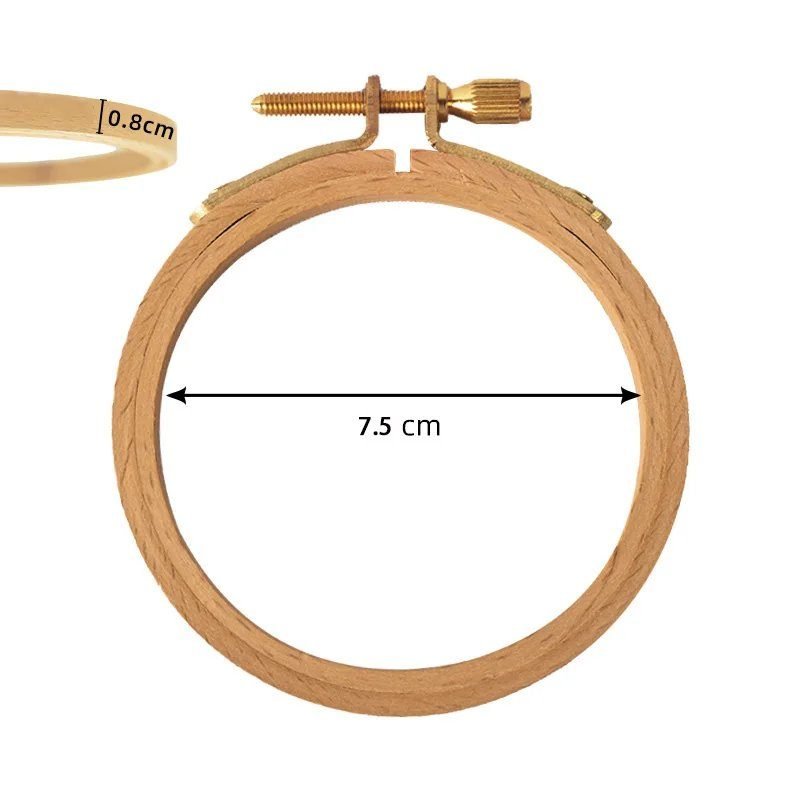
Get the hoop drum tight and re-tension it every twenty minutes as the fabric relaxes. The hoop guide covers doing it properly, and a good hoop such as the beech set holds tension noticeably longer than a worn one.
Slack fabric is also what causes puckering, so this fixes two problems at once.
Three: twisted strands
Two strands that have wrapped around each other make a thin, ropey stitch. Two strands lying flat side by side make a full, even one.
Let the needle dangle every dozen stitches and the thread unwinds itself. Better still, railroad — pass the needle between the two strands as you lay each leg down so they cannot twist.
It is slower. It is also the single biggest visible improvement available to most stitchers. The strand guide covers it.
The other suspects
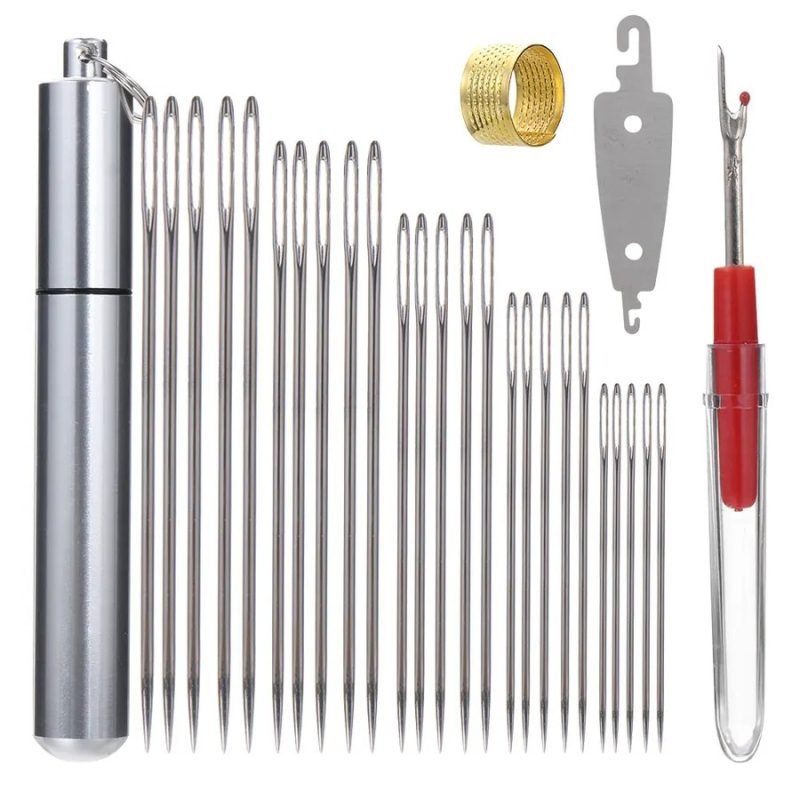
- Wrong needle size. Too large and it opens the holes unevenly. The needle guide has the sizing.
- Pulling instead of laying. Stop when the thread lies flat.
- Thread too long. Anything past 45cm frays and thins as it passes through the fabric hundreds of times.
- Sewing rather than stabbing. Going up and down in one movement is faster but harder to keep even. The stab method — one direction at a time — is more consistent.
What about the piece you have already done
Do not unpick it for evenness alone. Genuinely.
Wash and press it first. A cool hand-wash and a press face-down on a towel evens out a surprising amount, because the fibres relax and settle — the washing guide has the method.
Whatever is left after that, leave. Nobody looking at a finished piece sees what the maker sees, and unpicking an area to redo it usually makes the fabric worse than the stitching was.
Where it matters and where it does not
Large blocks of a single colour are where unevenness shows most, because there is nothing to distract the eye.
Textured subjects hide it almost entirely, which is why furred animals and florals suit people who are still finding their tension.
If your current project is a big flat sky, that is the hardest possible test and not a fair one. Try something from easy kits alongside it.
The techniques guide covers the mechanics, and the FAQ guide covers everything else that goes wrong.
The short version
- Inconsistent stitch direction is the usual cause. Every top leg must lie the same way.
- Slack fabric means every stitch lands at slightly different tension. Re-tension the hoop regularly.
- Twisted strands make ropey stitches. Let the needle dangle, or railroad each leg.
- Keep thread under 45cm, and stop pulling as soon as the thread lies flat.
- Wash and press before judging the result. It evens out more than people expect.
Frequently asked questions
Why do my cross stitches look uneven?
Most often because the top legs are not all lying the same way. Stitches crossed in different directions catch the light differently and the whole area reads as patchy. Slack fabric and twisted strands are the next two causes.
Does it matter which way my stitches cross?
Not which direction you choose, only that you never change it. Pick one, such as bottom-left to top-right on every top leg, and keep it for the whole piece. It becomes automatic within a single project.
What is railroading and does it help?
Passing the needle between the two strands as you lay each leg down, so they sit flat side by side instead of twisting around each other. It is slower, and it is the single biggest visible improvement available to most stitchers.
Should I unpick uneven stitching?
Not for evenness alone. Wash and press the piece first, because a cool hand-wash and a face-down press let the fibres relax and settle out a surprising amount. Unpicking usually damages the fabric more than the unevenness showed.
Is the sewing method or the stab method better?
The stab method, where you take the needle fully through in one direction before bringing it back the other way, gives more consistent tension. The sewing method is faster but harder to keep even, particularly across large blocks of one colour.