Quick answer: Two strands for full cross stitches on 14-count aida, one strand for backstitch outlines. Drop to one on 18-count and go up to three on 11-count. If the fabric shows through your stitches, add a strand. If they look crowded and lumpy, take one away.
Stranded cotton comes as six strands loosely twisted together. You are not meant to use all six, and a surprising number of kits never say so.
So people stitch their first project with the whole lot and wonder why it looks like a rug.
The table
| Fabric | Full cross | Backstitch |
|---|---|---|
| 11-count aida | 3 strands | 1-2 strands |
| 14-count aida | 2 strands | 1 strand |
| 16-count aida | 2 strands | 1 strand |
| 18-count aida | 1-2 strands | 1 strand |
Two on 14-count covers ninety per cent of what you will ever stitch, because 14-count covers ninety per cent of kits. The aida count guide explains why that is the default.
How to tell you have it wrong
Two symptoms, opposite causes.
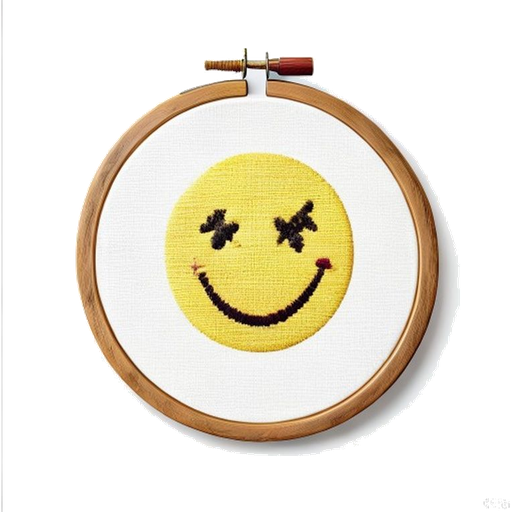
Fabric grinning through. White specks between your stitches where the aida shows. Add a strand.
Crowded, lumpy stitches. The Xs bully each other and lose their shape. Take one away.
Stitch a small test patch in a corner of the spare fabric margin before you commit. Ten minutes there saves an evening of unpicking.
Separating strands without shredding them
This is where people go wrong and blame the thread.
Cut about 45cm. Hold the cut end and pull one strand straight up and out, slowly. The rest will concertina below it — let them. Then straighten the bunch and take the next one.
Never pull two at once. And never strip from the middle.
Once you have your strands, lay them back together side by side rather than twisting them. That is called railroading, and it is what makes stitches sit flat and full. The techniques guide goes further.
Why kits sometimes disagree
Follow the chart if it specifies a number. Designers occasionally want three strands for a deliberately heavy block, or one for something delicate.
Where a kit says nothing, use the table above and you will be right.
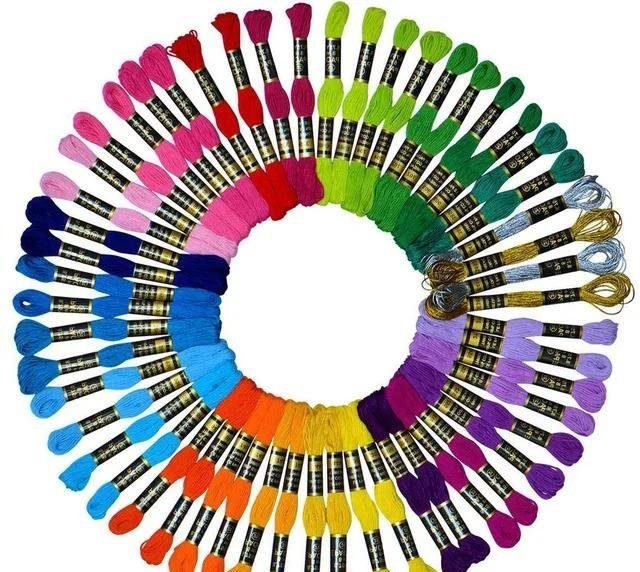
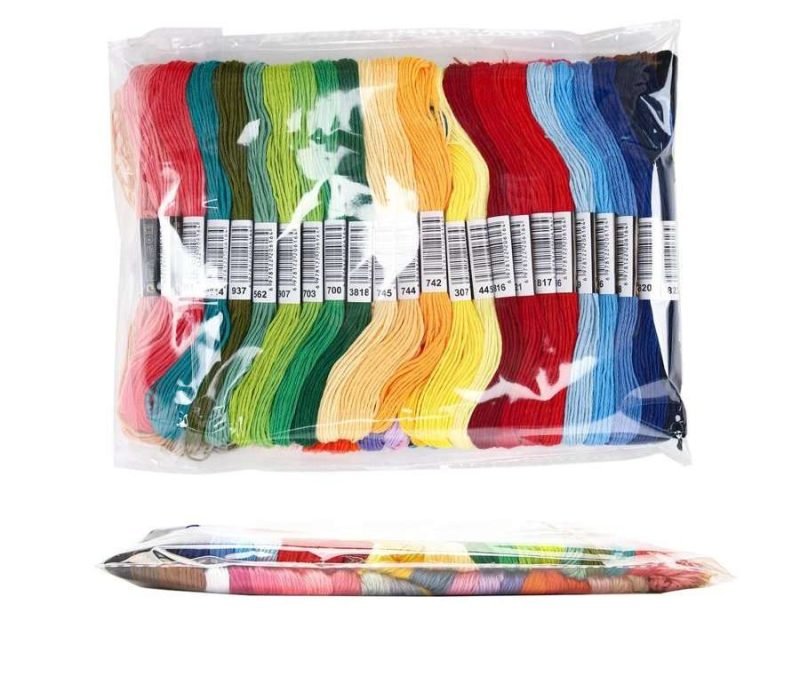
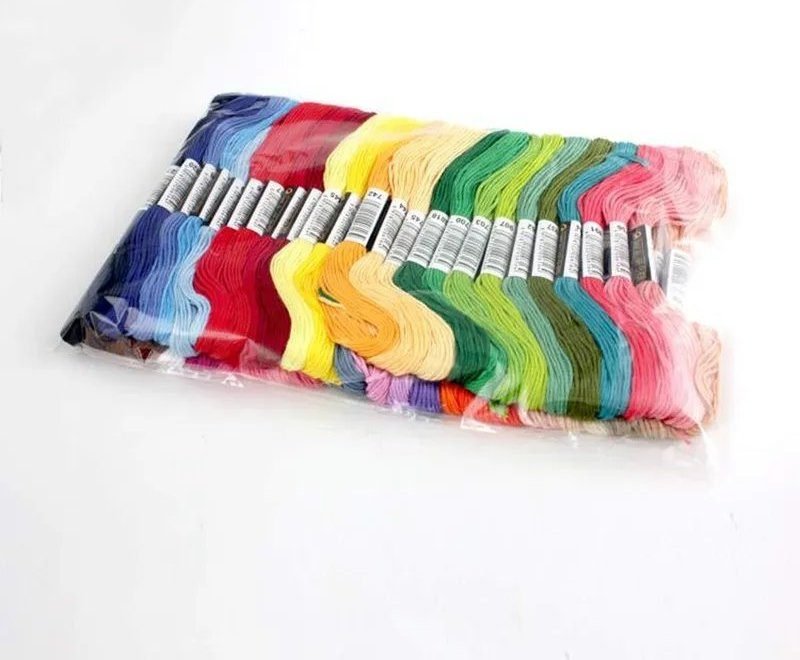
If a kit leaves you short, the threads and floss range will usually get you close. The 50-skein floss set and the 50-colour pack both cover a wide spread of shades, and the 24-colour set is enough for most small designs.
The thing I would tell you not to worry about
Strand count is not a moral question. Nobody is going to hold your finished piece up to the light and count.
If your two-strand work looks a bit thin to you and you prefer three, use three. Consistency across a single piece matters far more than which number you picked. Switching halfway through is the only version of this that genuinely looks wrong.
Running low mid-project
It happens, and it is not a disaster. Do not finish a colour with a different strand count to eke it out — the change shows.
Match the shade instead, or check the patterns and supplies range. For general kit questions the FAQ guide covers most of what comes up, and there is more on choosing materials in the supplies pillar guide.
Two strands. 14-count. Get on with it. If you are still choosing a first project, the beginner range is the place, and the size guide will stop you buying something enormous.
The short version
- Two strands for full crosses on 14-count aida, one strand for backstitch.
- Three strands on 11-count, one or two on 18-count.
- Fabric grinning through means add a strand; crowded lumpy stitches mean take one away.
- Separate strands one at a time, pulling straight up from the cut end.
- Consistency across a piece matters far more than which number you chose.
Frequently asked questions
How many strands of floss for 14-count aida?
Two strands for full cross stitches and one strand for backstitch outlines. That combination suits the large majority of kits, because 14-count is the industry standard. Follow the chart instead if it specifies a different number for a particular block.
Why does my aida show through my stitches?
You are using too few strands for the fabric count. Add one and stitch a small test patch in the spare fabric margin to compare. The opposite problem, crowded lumpy stitches that lose their X shape, means you should drop a strand.
How do I separate embroidery floss without tangling it?
Cut about 45cm, hold the cut end and pull one single strand straight up and out slowly. The remaining strands will concertina beneath it, which is normal. Straighten the bunch, then take the next one. Never pull two strands at once.
What is railroading?
Laying your separated strands back down side by side rather than letting them twist around each other as you stitch. It takes slightly longer but makes each stitch sit flat and full instead of ropey, and it is the single biggest improvement to how finished work looks.
Can I change strand count partway through a project?
Avoid it. A change in thickness within one piece is visible even to people who know nothing about stitching, particularly across a block of a single colour. If you are running short of a shade, match the colour rather than thinning the stitches.