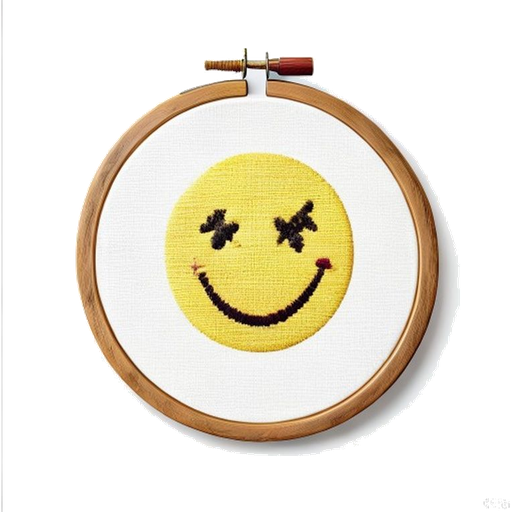
Quick answer: The essential cross stitch supplies are aida fabric, stranded cotton floss, blunt tapestry needles, a hoop or frame, and small sharp scissors. Start with a complete kit that bundles them, then build a proper kit bag as you go: better light, thread storage and the right needle size make the biggest difference to comfort.
I spent twenty-two years behind the buying desk of a family haberdashery in Leicester, and I will tell you the honest truth I told every customer who leaned on that counter: most people overspend on the wrong things and underspend on the right ones. They buy a drawer of gadgets and stitch in poor light with a bent needle. So here is the whole picture on cross stitch supplies, sorted properly, from the four things you cannot do without to the few luxuries genuinely worth the money.
Aida: the fabric that does half the work
Aida is the gridded cotton cloth cross stitch is built on, woven so the holes sit in neat squares. It is measured by count, the number of stitches to the inch, and that single number changes everything about how a piece feels to work.
- 11-count: big holes, big stitches, kind to tired eyes.
- 14-count: the workhorse, and where nine in ten stitchers should start.
- 16 and 18-count: finer, more detail, more squinting.
A mixed pack like the aida cloth sheets in assorted counts lets you feel the difference for yourself before you commit, and the full aida fabric range covers every count and colour. Ecru and antique white flatter most designs, for what it is worth. Stark white can look a touch clinical.
Threads: where the nerdery pays off
Stranded cotton, also called floss, is six fine strands loosely twisted together. You separate out the number your chart asks for, usually two for 14-count, and that separating step matters more than beginners think. Pull the strands apart one at a time and lay them back together, and your stitches sit plump and flat instead of thin and twisted.
Quality tells here. Cheap floss frays, knots and fades in the wash, which is a false economy of the worst kind. A decent embroidery floss set of 50 skeins or the tidy 24-colour thread set will see you through dozens of projects. The wider threads and floss range has the variegated and specialist spools for when you catch the bug properly.
Needles: blunt on purpose
A tapestry needle is deliberately blunt, so it slides between the fabric threads rather than splitting them. Sizes run backwards, confusingly, so a larger number means a smaller needle.
| Aida count | Needle size | Notes |
|---|---|---|
| 11-count | 22 or 24 | Larger eye, easy threading |
| 14-count | 24 | The default for most kits |
| 16-count | 24 or 26 | Slightly finer to suit the weave |
| 18-count | 26 or 28 | Small and fine, mind your fingers |
A needle set with a thimble covers the common sizes and costs less than a coffee and a bun. Replace them when they lose their glide. A tired needle drags, and dragging is where knots are born.
Hoops and frames: keep it taut
Working fabric taut gives you even tension and far neater stitches, which is why I bang on about it. A hoop is the cheap, portable choice; a frame suits larger work you leave set up. The Royal School of Needlework works almost everything on a frame or hoop for precisely this reason Royal School of Needlework.
For most people a beech embroidery hoop set or the graduated bamboo hoops in ten sizes does the job for years. The full needles, hoops and frames range has Q-snaps and seat frames for when you want to stitch hands-free.
The extras that actually earn their place
Now the luxuries, and I use that word loosely. A few genuinely improve the doing.
- Good light. A daylight lamp is the single best upgrade a stitcher can buy. Poor light ruins accuracy and your eyes both.
- Thread organisation. A thread storage box sounds dull until you have hunted for a colour mid-row. Order is calm.
- Small sharp scissors. Kept only for thread, never paper.
- A needle minder or magnetic case, so you stop losing needles down the sofa.
Everything beyond that is want, not need. Pleasant wants, mind, but be honest with your wallet.
Building your cross stitch supplies: a kit bag, not a museum
My advice after all those years on the counter: start with a complete beginner kit, add a daylight lamp, then buy each extra tool only when a project makes you actually reach for it. That way your kit bag fills with things you use, not things you meant to. The Embroiderers' Guild's branch libraries are a grand place to try tools before you buy, which I always recommend Embroiderers' Guild.
Pulling it together
Four essentials, aida, floss, blunt needles and a hoop, will get you stitching today. Add good light and tidy thread storage and you have covered ninety per cent of what comfort needs. The rest is the happy tinkering that comes with the hobby.
When your piece is done, my finishing and framing guide takes it from hoop to wall, and if you are still choosing a first project, Peggy's beginner's guide is the place to start.
Frequently asked questions
What supplies do I need to start cross stitch? Aida fabric, stranded cotton floss, a blunt tapestry needle in the right size, a hoop to hold the fabric taut and small sharp scissors. Buying a complete beginner kit is the cheapest and simplest way to get all five at once.
What is the best aida count for cross stitch? 14-count aida suits most stitchers and most charts, with clear holes and a comfortable stitch size. Choose 11-count for larger, easier stitches, or 16 and 18-count once you want finer detail and have good light to work by.
How many strands of thread should I use? For standard 14-count aida, use two strands of stranded cotton for the crosses and one strand for backstitch outlines. Always separate the strands and lay them back together before stitching so they sit flat and full.
About the author Colin Barratt - The man who reads thread numbers for fun Colin spent twenty-two years working the counter and buying desk of a family-run haberdashery in Leicester before it closed in 2019. He knows the difference every fabric count and thread weight makes, and has a shed full of hoops he insists are all necessary. He took up teaching framing at a local craft club after redundancy. Writing for Cross Stitch Kits UK.