Quick answer: Hand-wash in cool water with a little mild detergent, never rub, and rinse until the water runs clear. Roll the piece in a towel to take out the worst of the water, then press it face-down on a folded towel with a warm iron. That last detail is what stops your stitches flattening.
People spend forty hours on a piece and then rush the last twenty minutes. I saw it constantly across the counter, and it is such a waste.
Washing and pressing is not optional tidying. It is the step that takes a good piece of stitching and makes it look finished.
Yes, you do need to wash it
Even if it looks clean. Especially if it looks clean.
Your hands leave oils on fabric over weeks of handling. You cannot see them now. In two years, on a piece behind glass, you will — they oxidise into a faint yellowing, usually right where you held it.
Washing also relaxes the fabric and takes out most of the tension marks, which is why it fixes so much puckering.
The method
- Fill a clean basin with cool water. Cool, not warm — heat sets stains and can move dye.
- Add a small amount of mild detergent. A gentle wool wash or plain baby shampoo is ideal.
- Submerge the piece and press it gently with a flat hand. Do not rub, wring or twist.
- Leave it ten minutes. Longer if it is grubby.
- Rinse in fresh cool water until no suds remain. Change the water as often as it takes.
- Lift it out supporting the whole piece so the wet fabric is not stretched by its own weight.
If the water goes coloured, stop rinsing and change it immediately. That is dye running.
Getting the water out
Lay the piece flat on a clean white towel. White matters — a coloured towel can transfer dye to wet fabric.
Roll the towel up with the stitching inside, then press along the roll. Do not wring.
Unroll, move to a dry towel, and while it is damp ease the piece square with your fingers. This is blocking, and it is where a slightly wonky piece gets straightened.
Pressing, and the one rule
Face-down. Always face-down, on a folded towel.
Ironing a cross stitch face-up crushes the stitches flat and kills the texture that makes the piece look hand-worked. It cannot be undone.
Set the iron to a warm cotton setting with no steam, lay a clean cloth over the back, and press rather than glide. Work outward from the middle. The towel underneath lets the stitches sink in instead of being squashed.
Things that go wrong
- Hot water. Sets stains and encourages dye to bleed.
- Biological detergent. The enzymes are designed to break down protein, which is not what you want near fibres you have spent weeks on.
- Wringing. Distorts the weave permanently.
- Tumble drying. Never.
- Ironing face-up. The single most common way to spoil finished work.
If you have used metallic or hand-dyed threads, test a spare length in water first. Some bleed badly. The threads and floss range is standard stranded cotton, which behaves itself, but variegated threads are worth a test.
Marking pens
If you gridded your fabric with a water-soluble pen — sensible, and covered in the techniques guide — rinse those lines out in plain cool water before you wash with detergent.
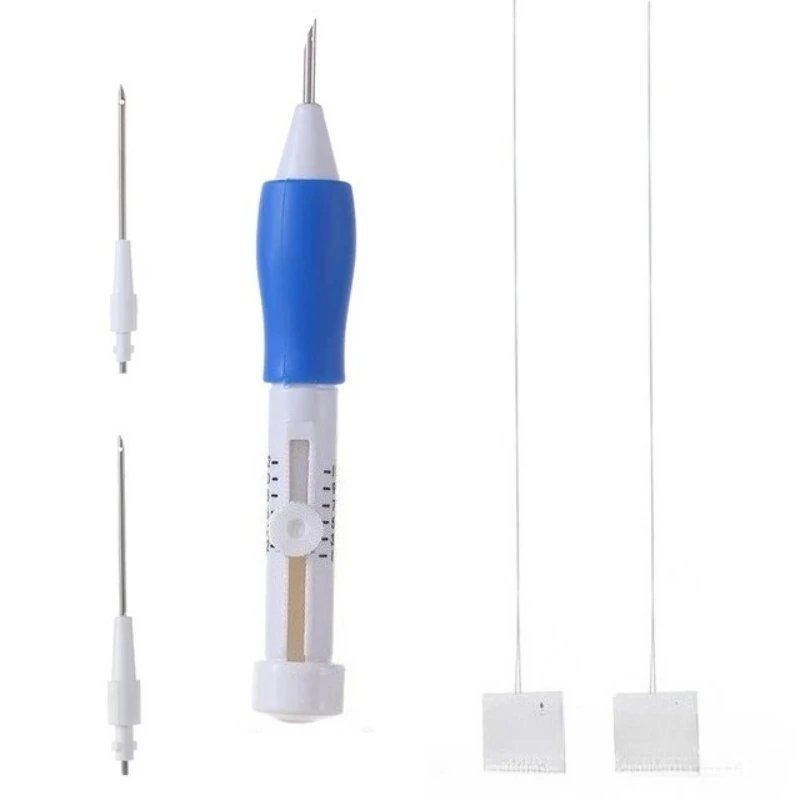
Heat sets some marking inks permanently, so never press a piece that still has pen lines in it. Air-soluble pens fade on their own. Something like the magic embroidery pen set should be tested on a fabric scrap first, always.
Then what
Frame it while it is fresh. A washed, pressed, square piece mounts far more easily than one that has sat in a drawer.
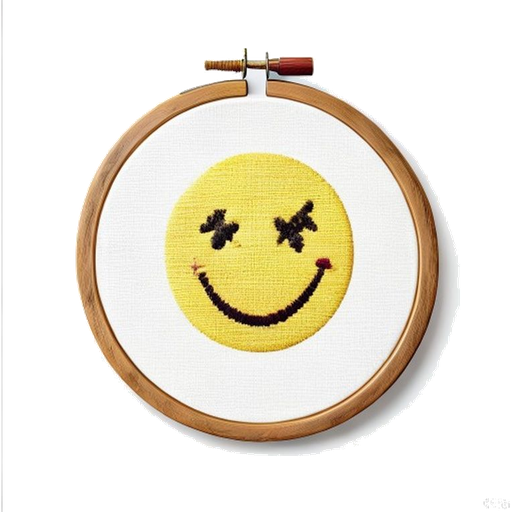
Hoops are the cheapest route and suit most pieces - the beech hoop set or anything from needles, hoops and frames will do the job.
The finishing and framing guide takes it from here, and there is a tools and accessories range if you need bits. For everything else that goes sideways, the FAQ guide is the catch-all.
The short version
- Always wash, even if it looks clean - hand oils yellow over time behind glass.
- Cool water and mild non-biological detergent. Never rub, wring or tumble dry.
- Roll in a clean white towel to remove water, then ease the damp piece square.
- Press face-down on a folded towel. Ironing face-up crushes the stitches permanently.
- Rinse out water-soluble grid lines before washing, and never press a piece with pen marks still in it.
Frequently asked questions
Do I need to wash a cross stitch that looks clean?
Yes. Weeks of handling leave hand oils in the fabric that you cannot see now but which oxidise into faint yellow patches over a couple of years, usually where you held the piece. Washing also relaxes the fabric and removes most tension marks.
What detergent should I use on cross stitch?
A small amount of mild, non-biological detergent. A gentle wool wash or plain baby shampoo both work well. Avoid biological powders, because the enzymes are designed to break down protein and that is not something you want near your finished work.
Why must I iron cross stitch face-down?
Because ironing face-up crushes the raised stitches flat and permanently removes the texture that makes the piece look hand-worked. Press face-down on a folded towel so the stitches sink into the pile rather than being squashed against a hard board.
What temperature water should I use?
Cool. Warm or hot water sets stains and encourages thread dye to bleed into the fabric, which is very difficult to reverse. If the rinse water starts to take on colour, stop immediately and change it for fresh cool water.
How do I remove grid lines before washing?
Rinse them out in plain cool water first, before any detergent goes near the piece, and never press fabric that still has pen marks in it - heat sets some inks permanently. Always test a marking pen on a fabric scrap before using it.