Quick answer: Snip the stitches on the front with small sharp scissors, a few at a time, then lift the cut pieces out from the back with the eye end of a needle. Never drag a long run out by pulling the thread, because that fuzzes the fabric and distorts the holes permanently.
Stitchers call it frogging, because you rip it, rip it. Somebody thought that was funny once and it stuck.
It is not funny at the time. But it is a skill, and done properly it costs you an hour instead of a project.
Before you unpick at all
Stop and check whether you need to. I have unpicked plenty that did not need touching.
An error inside a solid block or a textured area can usually be absorbed. An error in an outline, a border or lettering cannot. The miscount guide has the full decision table.
Also check your fabric margin. If the design has drifted toward the edge, that is the emergency, and no amount of cleverness fixes it.
The method
- Turn the piece face-up and take it out of the hoop. You need the fabric relaxed.
- With small sharp-pointed scissors, snip the top leg of four or five stitches. Only the thread — get the point under it and lift slightly before cutting.
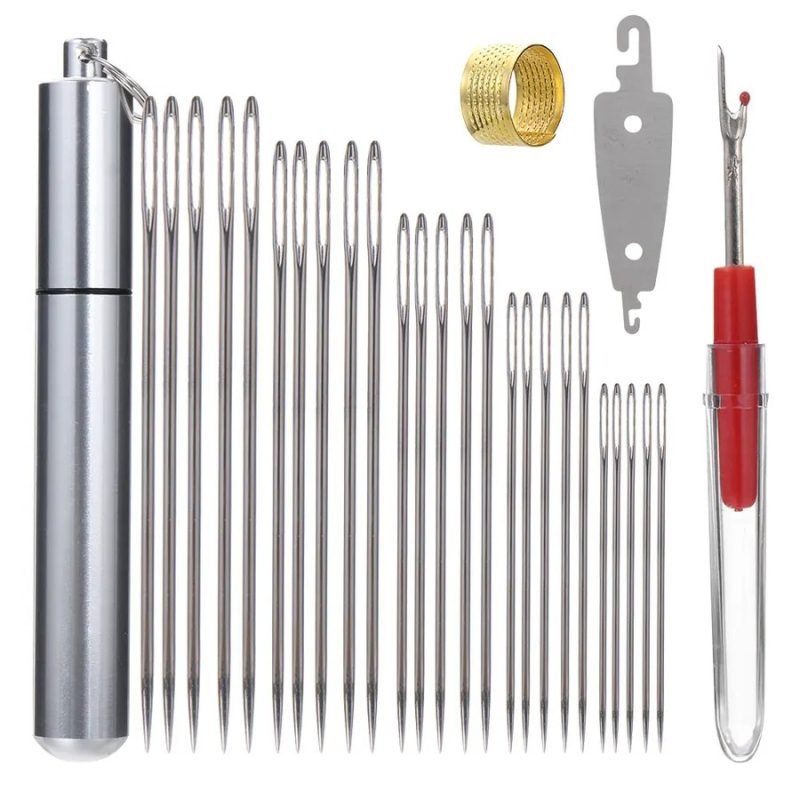
- Turn to the back and pull the cut pieces out with the eye end of a needle. Not the point, which splits the fabric.
- Repeat in small batches. Do not run ahead and snip fifty.
- Pick the fabric clean of fluff as you go.
Small batches matter. Cut a large area all at once and you lose track of where you were, which means unpicking more than you needed.
What ruins fabric
Dragging. Grabbing a tail and pulling a run of stitches out feels efficient and it is the worst thing you can do.
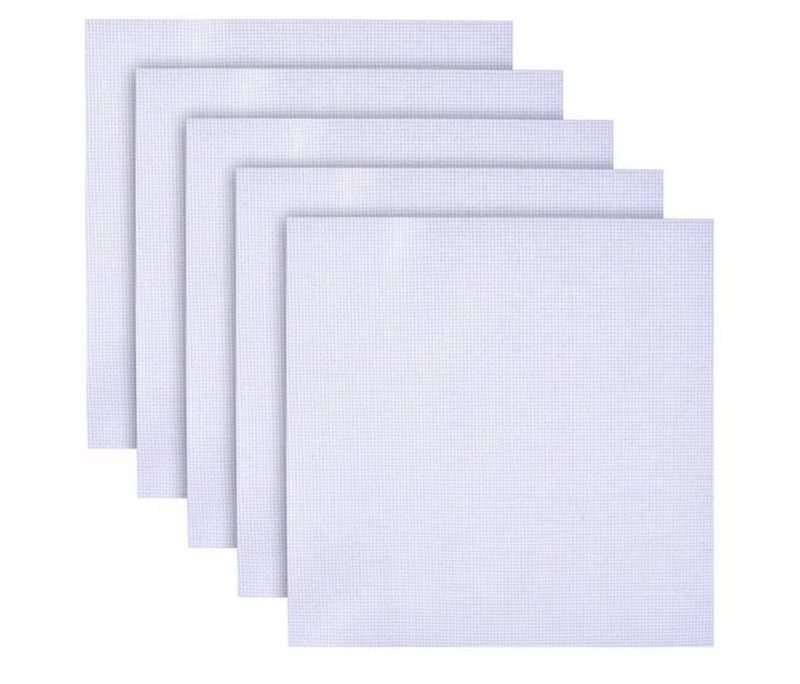
It fuzzes the aida threads, drags the holes out of square, and leaves an area that never quite takes new stitches cleanly. On a low count you can see it afterwards.
Using the needle point rather than the eye to lift threads is the other one. It splits fabric fibres and you cannot undo that.
Tools
Small, sharp, pointed embroidery scissors. Not nail scissors, not the kitchen pair.
You want a fine point that will slide under a single thread without touching the fabric beneath. There are sets in accessories and tools, and a needle with a decent eye for lifting — the needle set covers both jobs.
A seam ripper is the wrong tool here. It is built for a straight machine seam and it will cut fabric on aida.
After you have unpicked
Do not reuse the thread. It comes out limp and fuzzed and sits differently once restitched — the thread guide explains why that shows.
Brush the area clean. A strip of sticky tape pressed on lightly lifts stray fibres.
If the holes look slightly open, rub the area gently between your fingers to work the weave back together, then steam it lightly. It recovers more than you would expect.
Preventing the next one
Grid the fabric every tenth square. That single habit catches almost every miscount within ten squares — a water-soluble marking pen does the job, tested on the spare margin first.
Start from the centre, count each block twice on a chart before committing, and keep your place with a magnetic minder such as the magnetic organiser case.
The perspective bit
Everybody frogs. It is not a sign you are bad at this — it is a sign you are looking properly.
If you are unpicking constantly on a particular kit, the kit may simply be too dense for where you are. There is no shame in shelving it and picking something from easy kits or simple starters instead.
The FAQ guide covers the other common problems, and fresh aida is cheap if an area really is beyond saving.
The short version
- Decide whether the error actually needs unpicking before you touch it.
- Snip the front a few stitches at a time, then lift the pieces out from the back.
- Use the eye end of the needle to lift, never the point - the point splits fabric fibres.
- Never drag a run of stitches out by the thread; it distorts the holes permanently.
- Do not reuse unpicked thread. It comes out limp and sits visibly differently.
Frequently asked questions
What is the safest way to unpick cross stitch?
Take the work out of the hoop, snip the top legs of four or five stitches on the front with fine-pointed scissors, then lift the cut pieces out from the back using the eye end of a needle. Work in small batches and pick the fluff out as you go.
Why should I not pull out cross stitches by the thread?
Dragging a run of stitches fuzzes the aida threads and pulls the holes out of square. The affected area never takes new stitches cleanly afterwards, and on lower fabric counts the damage stays visible in the finished piece.
Can I use a seam ripper on cross stitch?
Better not to. A seam ripper is designed for straight machine seams in dressmaking, and its blade will readily cut aida threads as well as stitching. Fine-pointed embroidery scissors give you the control to lift a single thread before cutting.
How do I fix fabric that looks damaged after unpicking?
Brush or tape away the loose fibres, then rub the area gently between your fingers to ease the weave back together. A light steam afterwards helps it recover. Most areas come back better than they look immediately after frogging.
How do I stop having to unpick so often?
Grid the fabric every tenth square with a water-soluble pen or tacking thread, so a counting error can never run further than ten squares before you catch it. Start from the centre and use a magnetic minder to keep your place on the chart.