Quick answer: Backstitch is a solid line worked over the top of finished cross stitching to outline shapes and add detail. Use one strand, work it last, and follow the fine lines on the chart rather than inventing your own. It is what turns a blurry block of colour into a picture.
I have watched people finish all the cross stitching, look at it, feel disappointed, and put it away.
Nine times out of ten they had not done the backstitch. It is the last five per cent that does fifty per cent of the work.
What it is
A continuous line of stitches worked over the top of your finished cross stitching. It defines edges, marks whiskers and stems and lettering, and separates two blocks of similar colour so the eye can tell them apart.
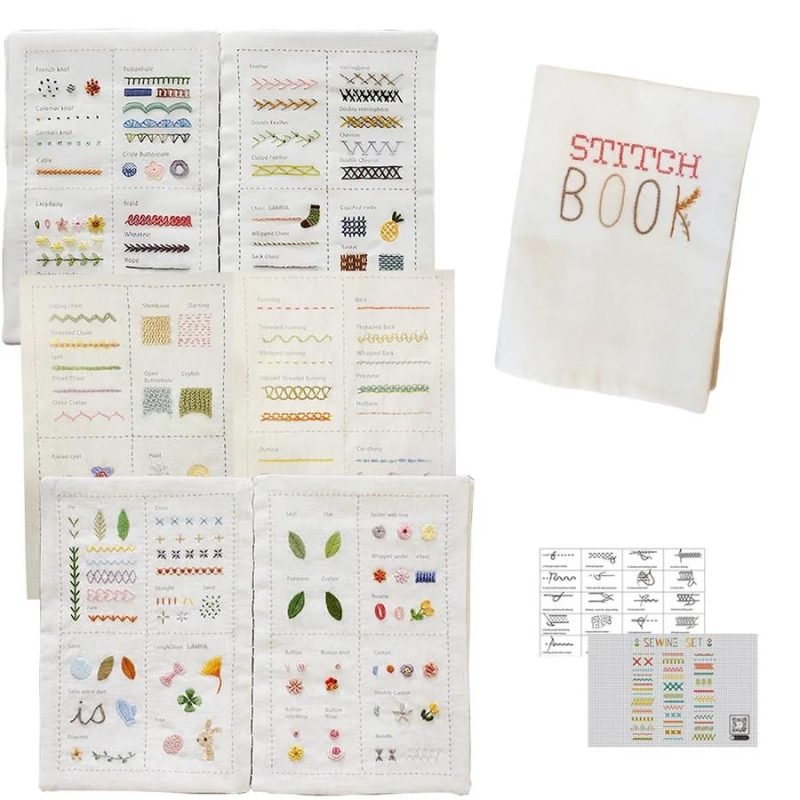
Cross stitch builds shape in blocks. Backstitch draws. You will meet it in almost everything, including the sampler range where the lettering is usually nothing else.
How to work it
Come up one stitch length ahead. Go back down into the end of the previous stitch. Come up one stitch length ahead again. Repeat.
That is where the name comes from — you always travel backwards to meet what you have already done.
Keep the length even. A backstitch line with one long stitch in the middle draws the eye straight to it. Follow the chart's grid: one square per stitch unless the line runs diagonally.
One strand, and why
One strand on 14-count aida, one on 16 and 18, one or two on 11-count.
Backstitch is a line, not a block. Two strands makes it heavy and cartoonish, and it swamps the detail underneath it.
The exception is where the chart deliberately asks for a thicker line — a border, a heavy outline. Follow the chart when it specifies. The strand count guide covers this alongside full crosses.
Do it last
All the cross stitching first. Every last block.
Backstitch sits on top and you need something to sit on. Working it early means stitching around it afterwards, which is fiddly and makes the line look buried rather than drawn.
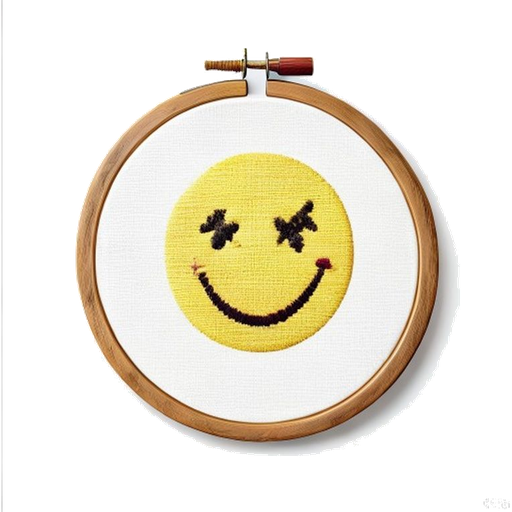
It is also the reward. There is a genuine pleasure in watching a vague arrangement of colour resolve into a robin.
Where it matters most
- Faces and eyes. Without an outline, a face dissolves. This is why bird kits and cat designs depend on it.
- Lettering. Usually entirely backstitch, and unforgiving.
- Stems and whiskers. Anything thinner than one square.
- Adjacent similar colours. Two greens next to each other need a line between them.
You can see all three at work across the animal kits range.
A thing I would tell you to resist
Do not add backstitch the chart has not asked for.
It is tempting. An outline round everything feels like it will make the piece crisper. It does the opposite — it flattens the design into a colouring book and kills the softness that shading was doing.
Designers choose where the lines go. Trust them, at least until you have a few pieces behind you.
Practical bits
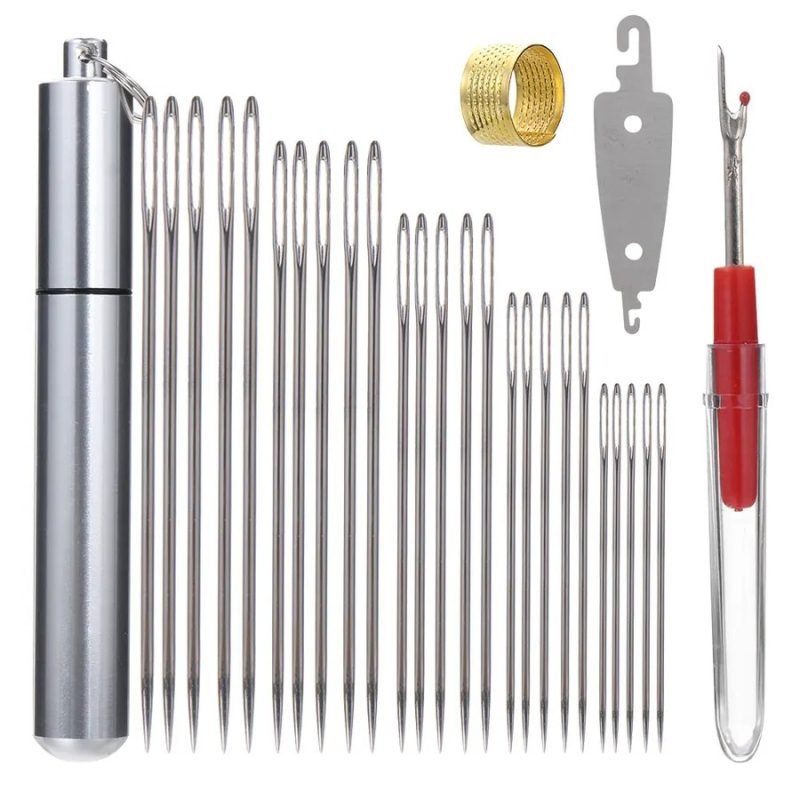
Use a slightly smaller needle if you have one. A finer needle makes short accurate stitches easier — there is a range in the needle set and in needles, hoops and frames.
Anchor the thread under existing cross stitches rather than knotting, exactly as in the starting and finishing guide. And keep the tension light: a pulled backstitch line drags the fabric and shows.
The techniques guide covers French knots and fractionals, and counted kits is where you will meet backstitch most often.
The short version
- Backstitch is a drawn line worked over finished cross stitching - it defines what colour blocks cannot.
- One strand on 14-count and above. Two makes the line heavy and cartoonish.
- Work it last, after every cross stitch is done, so it sits on top rather than buried.
- Keep the stitch length even; one long stitch in a line is what the eye finds.
- Never add outlines the chart has not asked for - it flattens the shading into a colouring book.
Frequently asked questions
What is backstitch used for in cross stitch?
It is a continuous line worked over completed cross stitching to outline shapes, add fine detail such as whiskers or stems, form lettering, and separate two blocks of similar colour so the eye can distinguish them. Cross stitch builds shape; backstitch draws.
How many strands should I use for backstitch?
One strand on 14, 16 and 18-count aida, and one or two on 11-count. Backstitch is a line rather than a block, and two strands makes it heavy enough to swamp the detail it is meant to define. Follow the chart if it specifies otherwise.
Should I backstitch as I go or at the end?
At the end, once all the cross stitching is complete. Backstitch sits on top of finished work and needs something to sit on. Working it early means stitching around it afterwards, which is fiddly and leaves the line looking buried.
Why does my finished cross stitch look unfinished?
Most often because the backstitch has not been done. It is the final step and it does a disproportionate amount of the work: faces resolve, edges sharpen, and adjacent similar colours separate. Check the chart for fine lines you may have skipped.
Can I add extra backstitch to make a design crisper?
Better not to. Outlining everything flattens the piece into a colouring book and destroys the softness that the shading was creating. Designers choose where lines belong, and following their choices produces a better result until you have real experience.